Ulster County Locksmith Service Team
Local locksmith team
Feb 23, 2026 11 min read
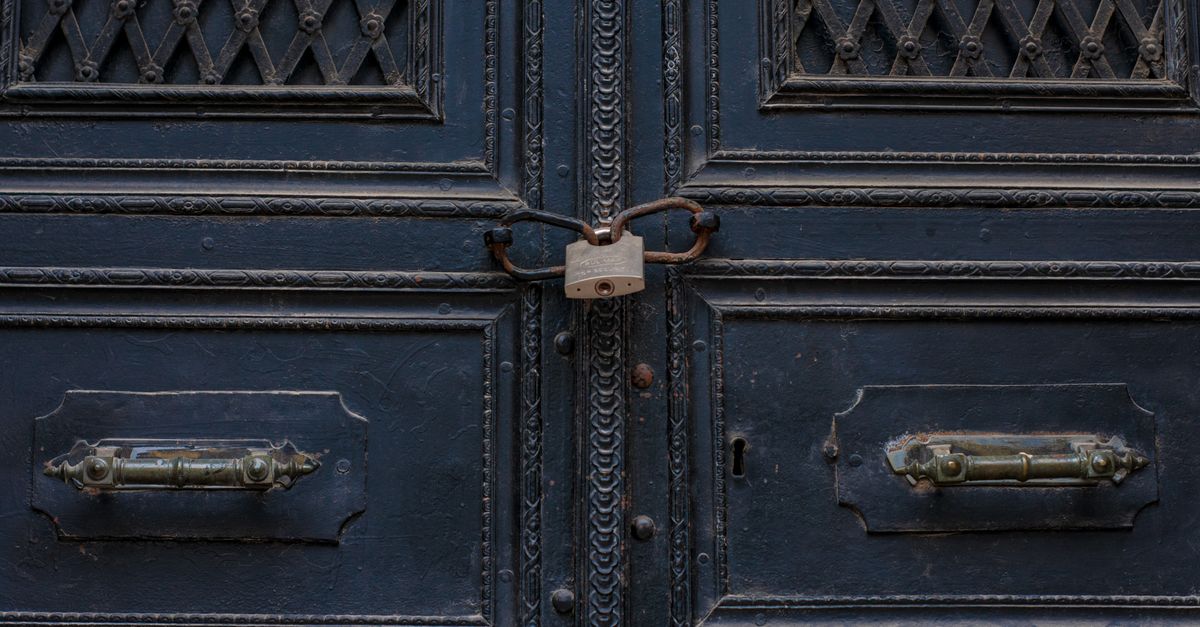
Your front door is the first line of defense between your family and the outside world — and in the Woodstock area, where driveways wind through wooded hills and neighbors aren't always in sight, that line matters more than most people realize. Yet a surprising number of Ulster County homeowners are relying on nothing more than a standard door knob lock to secure their main entry, not realizing how little protection it actually provides against a determined intruder.
This guide breaks down the real difference between door knob locks and deadbolts, explains when each one is appropriate, and helps you figure out what your front door actually needs right now. Whether you just moved into a place off Tinker Street, you're renting a cottage near Bearsville, or you're upgrading security in an older home along Route 212, these are the practical facts that should drive your decision — not guesswork.
## What a Door Knob Lock Actually Does (and Doesn't Do)
A door knob lock — the kind with a twist or push-button in the center of the knob — is a spring-latch mechanism. When the door closes, a beveled bolt slides into the strike plate automatically. That's convenient, but it's also the problem: spring latches can often be defeated in seconds with a credit card, a stiff piece of plastic, or simple shimming. The latch is beveled precisely so it retracts on contact, which means the same feature that lets you pull the door shut without turning a key also makes it easier to push the bolt back without one. For a bedroom door knob with lock, or a bathroom, or an interior door where privacy — not security — is the goal, a knob lock is perfectly appropriate. For a front door, it should never be your only layer of protection.
That said, a quality door knob with lock and key still has real value when it's part of a layered system. A keyed knob on an entry door signals to a casual passerby that the door is locked, and it does create some friction. The issue is relying on it alone. Think of it this way: a knob lock is a screen door on a submarine if there's no deadbolt backing it up. The bolt is simply too short and too easily manipulated under stress or deliberate attack.
## Why Deadbolts — Especially Mortise Locks — Set the Real Standard
A deadbolt extends a solid steel bolt — typically one full inch — directly into the door frame, and that bolt does not retract unless the cylinder is turned with a key or thumb turn. There's no spring, no bevel, and no shimming it back with a credit card. A properly installed single-cylinder deadbolt with a reinforced strike plate and three-inch screws anchored into the door framing (not just the trim) is dramatically more resistant to kick-ins, prying, and manipulation than any spring-latch knob lock. For most Woodstock-area homes, a Grade 1 deadbolt paired with a keyed knob is the minimum reasonable standard for a main entry.
For an even higher level of protection — or for older homes with thicker, non-standard doors — a mortise lock is worth serious consideration. A mortise lock is a complete locking unit that installs inside a pocket (the 'mortise') cut into the door edge. It combines a deadbolt, a latch, and sometimes additional security features into one integrated housing set into the door itself, which means the hardware is far less exposed and far harder to attack from the outside. Many of the historic homes in and around Woodstock already have mortise lock hardware from their original construction; our team services, replaces, and upgrades mortise lock systems regularly for exactly this reason. If your door has that older, elegant lever-and-plate hardware, a skilled locksmith — not a big-box store kit — is the right call to restore or upgrade it properly.
## Double Lock Door Knob Setups and When They Make Sense
You may have seen or heard the term double lock door knob — this typically refers to a knob or lever set that includes both a spring latch and a secondary locking mechanism within the knob itself, or it can describe a configuration where a keyed knob and a deadbolt are installed together on the same door (sometimes called a 'double lock' setup in common usage). The two-hardware approach — keyed knob below, deadbolt above — is extremely common and works well when both components are quality hardware and properly installed. The knob handles day-to-day convenience; the deadbolt provides real security.
Where homeowners run into trouble is assuming that two lower-quality locks are better than one good one. A flimsy deadbolt with a thin bolt and a weak strike plate isn't much better than a knob lock. Hardware grade matters: ANSI Grade 1 is commercial-grade and the toughest; Grade 2 is standard residential; Grade 3 is the lowest tier and best reserved for interior or low-traffic applications. Our team can assess what grade your current hardware is, explain what an upgrade would realistically involve, and give you a clear, confirmed price before any work begins — no surprises on your doorstep.
## How to Lock a Door Knob Properly — and What 'Picking' Actually Tells Us About Security
Properly locking a door knob means ensuring the keyed cylinder is engaged, not just pulling the door shut and relying on the spring latch. Many homeowners with a push-button privacy lock confuse 'the button is in' with 'the door is secure' — those buttons are interior-side privacy locks only, not keyed security. On a keyed exterior door knob with lock, you should always turn the key to engage the cylinder lock rather than simply letting the latch click shut. It's a small habit that matters.
On the topic of how to pick a door knob lock — a question that gets searched frequently — it's worth knowing that most basic pin-tumbler knob locks can be picked or bypassed by someone with even modest skill and the right tools. We won't walk through those techniques here, because that information doesn't make you safer; knowing that your lock is vulnerable should simply motivate you to upgrade to a deadbolt or mortise lock and to call a professional if you're ever locked out rather than trying DIY methods that can damage your hardware or door. If you're locked out right now, check for a spare key with a trusted neighbor, try another entry point you know is accessible, and if neither works, call a professional locksmith who can verify your identity and ownership before helping you in — legally, safely, and without damaging your door. Our team at Ulster County Locksmith is available around the clock: call (845) 622-4829 and we'll be on our way.
## Choosing the Right Hardware for Your Front Door: A Practical Checklist
Here's how to think through what your specific door actually needs. First, identify your door type and thickness — standard hollow-core interior doors, solid-core exterior doors, and thick antique wood doors each require different hardware and installation approaches. A mortise lock pocket, for example, can't simply be drilled into a thin hollow door. Second, check your current strike plate: if it's held in by half-inch screws going only into the door casing, not the framing, a strong kick can split it away regardless of how good your lock is. Third, consider your rental or HOA situation — some properties have requirements about what hardware can be installed, and a professional assessment can help you stay compliant while maximizing security.
Fourth, think about convenience features that match your lifestyle. Keypad deadbolts allow code-based entry and eliminate the lockout risk from lost keys — useful for vacation rentals around Woodstock that see regular guest turnover. Smart locks with Bluetooth or Wi-Fi can integrate with home systems but add a digital attack surface that purely mechanical locks don't have. And fifth — especially for older Ulster County homes — get an eye on that original mortise lock hardware before assuming it needs to go. A skilled locksmith can often service, rekey, or upgrade original mortise hardware at a fraction of the cost of full replacement, preserving both the character of the door and its security. Factors that affect the final cost of any lock service include the type and grade of hardware involved, whether new parts are needed, the time of day, and travel distance to your location — our team confirms an exact price up front before starting any work.
## Our Locksmith Services: What We Handle Across the Woodstock Area
Ulster County Locksmith is a fully mobile, insured locksmith operation serving Woodstock, Kingston, Saugerties, Phoenicia, Bearsville, Olive, Hurley, Rosendale, New Paltz, and the surrounding Hudson Valley communities — 24 hours a day, 7 days a week. Our experienced team handles a wide range of residential, commercial, and emergency locksmith needs, including: residential door knob lock installation and replacement; deadbolt installation and upgrade; mortise lock service, repair, and replacement; lock rekeying (changing the key without replacing the hardware); master key system setup; high-security lock installation (Grade 1 and above); smart lock and keypad deadbolt installation; door reinforcement and strike plate upgrades; sliding door and patio door lock service; garage door lock and side-entry lock service; window lock installation; mailbox lock replacement; storage unit lock service; safe opening and combination changes; safe lock repair and replacement; commercial locksmith services including office entry locks, push-bar exit devices (panic hardware), access control consultation, and cabinet lock replacement; automotive locksmith services including car lockouts, broken key extraction, and transponder key and key fob service; emergency lockout response for homes, businesses, and vehicles; lock-out service with ownership verification; lock hardware consultation and security assessments; door hardware installation and alignment adjustments for doors that don't latch or close properly; and complete re-key services for new homeowners throughout Ulster County. Whether it's a mortise lock in a 19th-century farmhouse or a modern keypad deadbolt on a Woodstock vacation rental, we bring the right tools and hands-on experience to every call.
If you have questions about what service fits your situation, or if you need a professional out to your location today, we're ready. Call (845) 622-4829 — we answer 24/7, and we'll confirm your exact price before any work begins.
Frequently asked questions
What is the meaning of locksmithing, and what do locksmiths usually do?+
Locksmithing is the trade of working with mechanical and electronic locking systems — designing, installing, repairing, rekeying, and bypassing them through authorized means. A working locksmith handles everything from a simple residential knob lock swap to complex commercial access control systems. Day-to-day, that means lock installations, rekeying after a move or break-in, emergency lockouts for homes and vehicles, safe work, key cutting, mortise lock restoration, and security assessments. It's a skilled trade that requires hands-on training and a strong understanding of both hardware mechanics and security principles.
How much does a local locksmith cost, and is there a call-out fee?+
What a locksmith costs depends on several factors: the type of service (a simple rekey is a different scope than a full mortise lock replacement), the grade and brand of hardware involved, whether new parts are needed, the time of day (overnight and holiday calls involve different logistics), and travel distance to your location. A locksmith call-out fee — sometimes called a service call or trip charge — is a base fee that covers dispatch and travel to your location, separate from the labor and parts. At Ulster County Locksmith, we confirm the full, exact price before any work starts so there are no surprises. Call (845) 622-4829 for a straight answer on what your specific job will involve.
Is a door knob lock enough for my front door, or do I need a deadbolt?+
For a main entry door, a door knob lock alone is not sufficient security. The spring-latch mechanism in a standard knob lock can be defeated quickly by someone who knows what they're doing. A deadbolt — ideally a Grade 1 single or double-cylinder model with a reinforced strike plate — should always accompany a keyed knob on any exterior door. For older or high-value homes, a mortise lock offers an even higher standard of integrated security. Use a knob lock by itself only on interior doors where privacy, not security, is the goal.
What is a mortise lock, and does my older Woodstock-area home likely have one?+
A mortise lock is a lock unit that installs inside a rectangular pocket cut into the door edge, rather than through a simple bored hole like a cylindrical deadbolt. It typically integrates a deadbolt, latch, and keyway into one solid housing, which makes it more robust and harder to attack than surface-mounted hardware. Many homes in the Woodstock area — particularly those built before the mid-20th century — were originally fitted with mortise locks, often with elegant cast-iron or brass faceplates. If your door has a rectangular keyhole below the knob or lever, there's a good chance a mortise lock is already in your door. Our team services, rekeys, and upgrades mortise lock hardware regularly; call (845) 622-4829 to have one of our skilled locksmiths take a look.