Car Key Replacement by Vehicle Brand: What the Process Actually Involves
Not every key is created equal, and the replacement process varies significantly depending on the make and model of your vehicle. Ford and GM vehicles from the mid-1990s onward typically use transponder chips that must be synchronized to the car's immobilizer — a process that requires an OBD-II programming interface, not just a key-cutting machine. Toyota and Lexus models, particularly newer ones with 'smart key' proximity systems, demand dealership-level programming tools to enroll a new fob into the vehicle's ECU. Honda and Acura keys are sensitive to the sequence in which programming steps are performed, and an error can lock out the system entirely. Our technicians carry multi-platform programming equipment and regularly update their software libraries to cover current model years across all major brands.
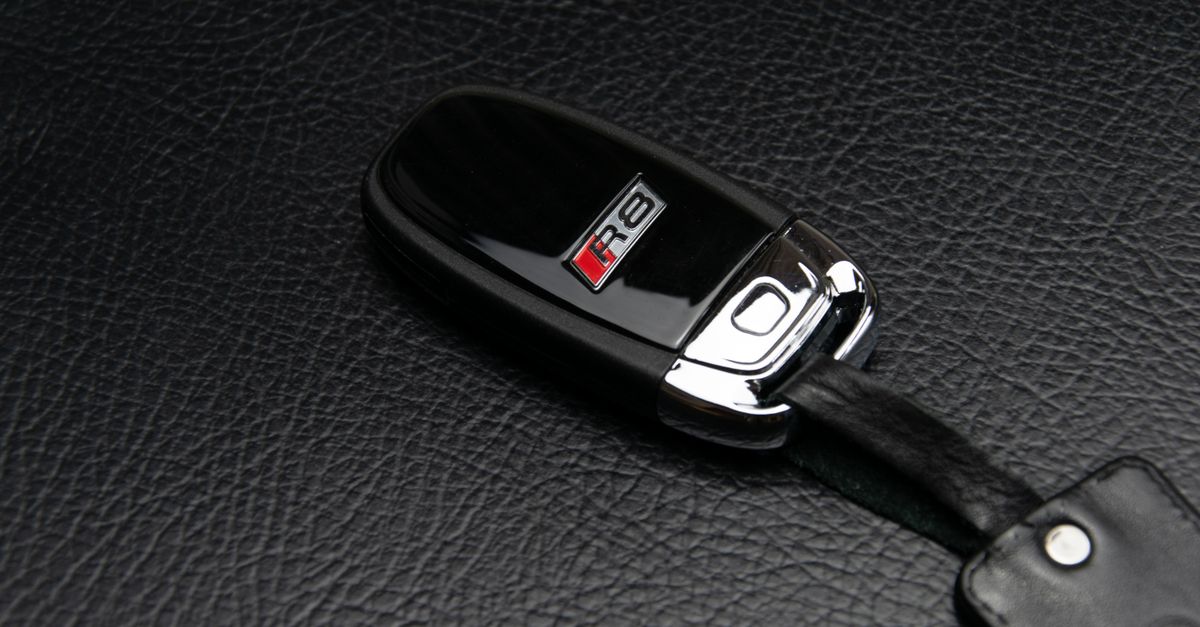
European vehicles — BMW, Mercedes-Benz, Audi, and Volkswagen — are among the most technically demanding. Many post-2015 models use encrypted key files and require both specialized hardware and manufacturer-specific software tokens to complete a valid key write. Chrysler, Jeep, and Ram trucks have their own TIPM-based systems where an incorrectly programmed key can trigger fault codes across multiple modules. Hyundai and Kia have expanded their proximity key lines rapidly, and their newer 'digital key' platforms require precise firmware matching. Regardless of brand, we verify the vehicle's VIN, confirm ownership documentation, and complete a test cycle before handing any key back to you — that verification step protects you and is standard practice on every job we run.