What Storefront & Panic Hardware Actually Does — and Why It Fails
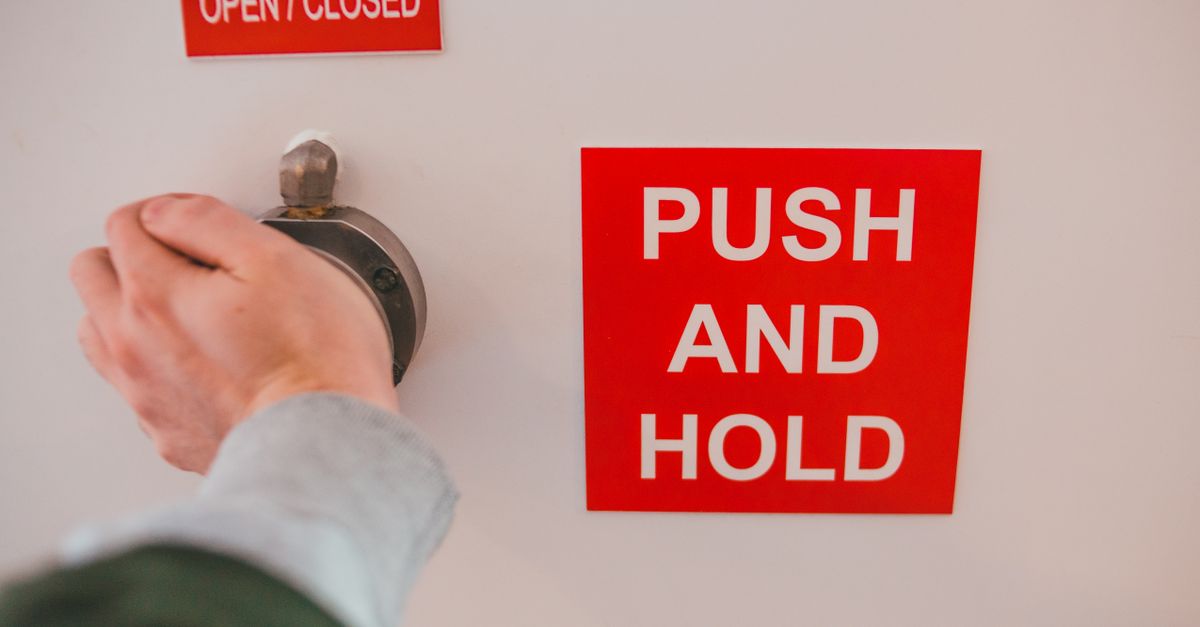
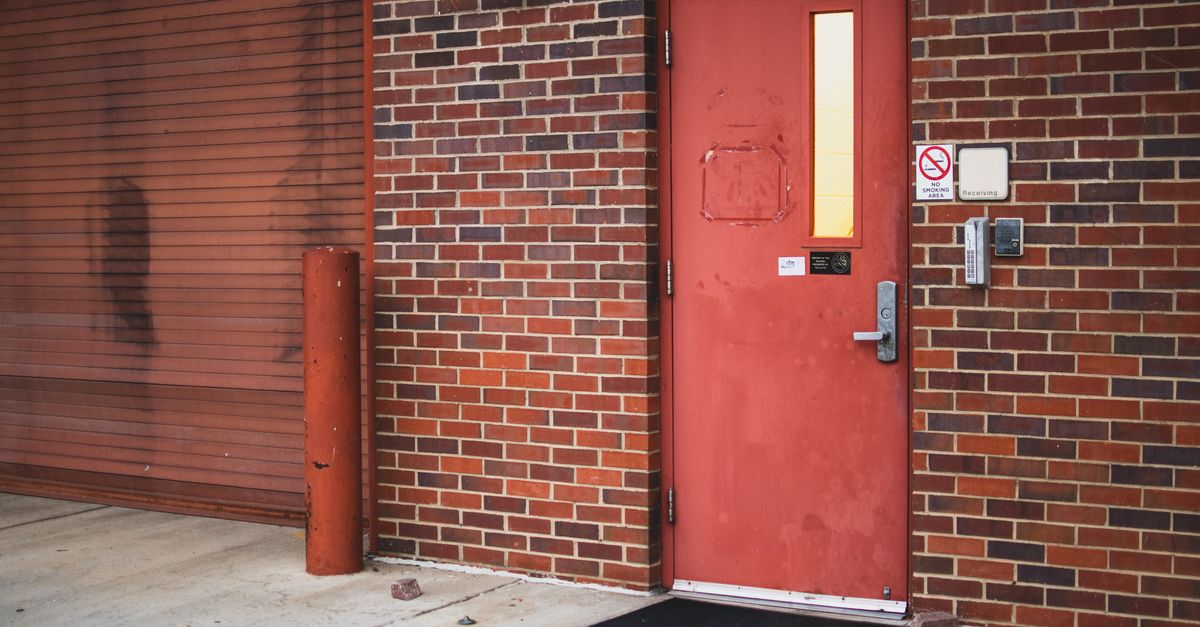
Exit devices — commonly called panic bars or crash bars — are engineered to a single life-safety standard: a person fleeing a building in the dark, under stress, with no knowledge of the hardware, must be able to push the door open with body weight alone. That's a demanding mechanical specification, and it's why panic bars contain more moving parts than most building owners realize. A typical rim-mounted exit device includes a crossbar assembly, a retraction mechanism, a latch bolt, optional dogging hardware, and sometimes an electric strike or request-to-exit sensor tied into an access control system. Any one of those components can wear, corrode, or fall out of adjustment — and in a busy Woodstock storefront that sees seasonal tourist traffic, wear happens faster than expected.
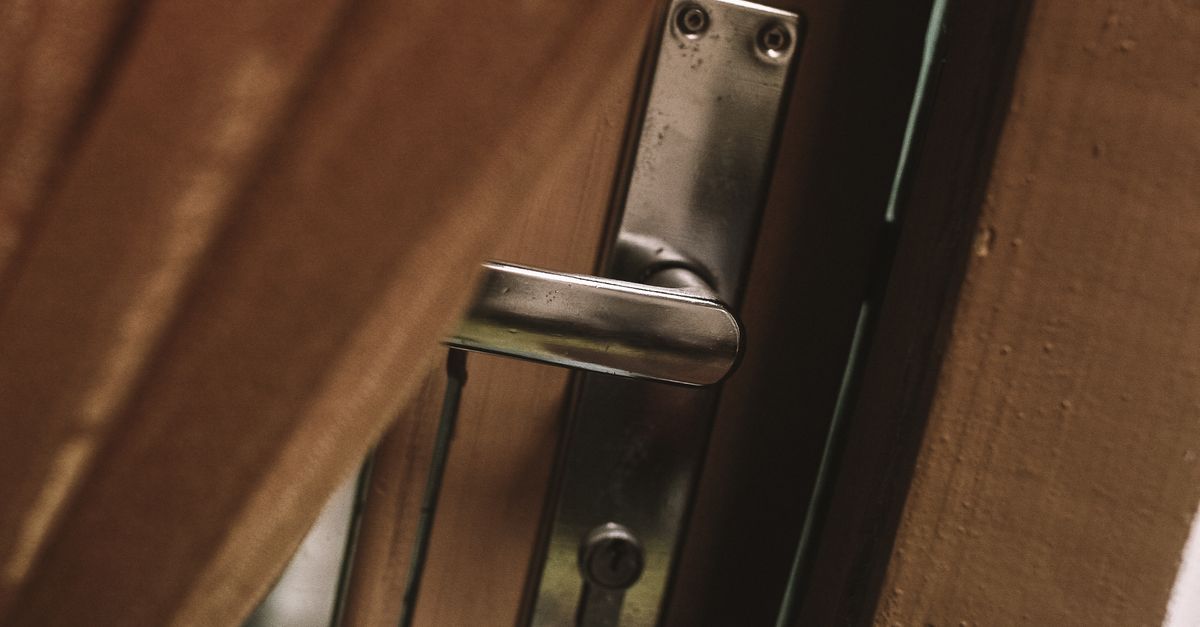
Door closers are equally critical. A closer that's lost hydraulic fluid will let a heavy commercial door slam, damaging the frame, the glass, and eventually the closer itself. One that's over-tensioned will fight customers on their way in, creating an accessibility problem and a liability exposure. Mortise locks — the large-format, multi-component lock bodies that slide into a pocket machined into the door edge — are the workhorses of commercial entry hardware, but their internal cam, tailpiece, and cylinder assemblies require periodic service. When a mortise lock cylinder becomes stiff, a cam breaks, or the faceplate shifts, the door may appear functional right up until it isn't. Our commercial locksmith team sees all three of these failure modes regularly, and we carry the tools and common replacement components on our service vehicles.