What Is a Mortise Lock — and Why Older Woodstock Doors Depend on Them
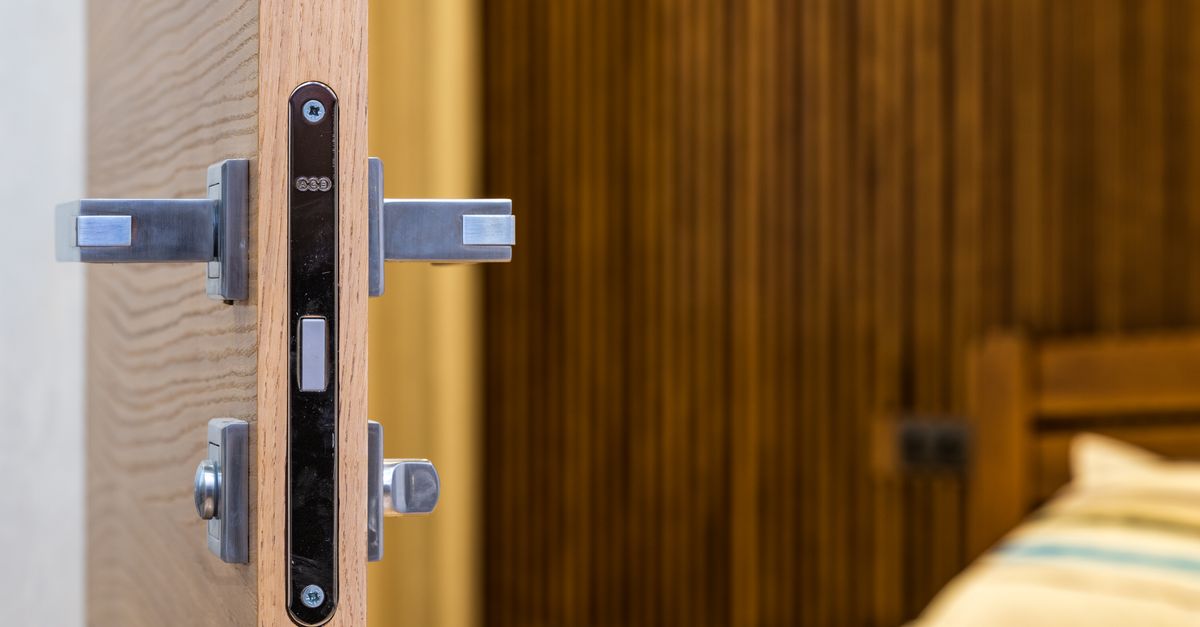
A mortise lock is a self-contained lockset installed inside a deep rectangular pocket (the 'mortise') cut into the door stile itself. Unlike a cylindrical bored lock — the kind found on most tract homes — a mortise lock set houses the latch bolt, deadbolt, strike mechanism, and sometimes an auxiliary bolt all within a single steel or cast-iron case. That integration is why a properly functioning mortise lock is among the most secure door-lock configurations available: the case sits fully within the door rather than sitting proud of it, and a full-length steel trim plate (the escutcheon) protects the cylinder and thumbturn from wrench attacks. Homes built in the Woodstock area before roughly 1960 were nearly always fitted with mortise hardware as the default — it was the industry standard, and the craftsmanship matched the era's joinery.
The challenge today is that many of those locks have had decades of seasonal wood movement, paint intrusion, and gradual wear on their internal springs and cam plates. A door that swings freely in July may bind in February when the jamb swells against the Catskill cold. That binding forces the latch cam to work harder than it was designed to, accelerating wear on already-aged parts. Recognizing whether a stiff mortise lock needs cleaning and lubrication, a targeted rebuild of worn internals, or full mortise lock replacement is the first call a qualified technician makes — and getting that diagnosis right saves the door, the frame, and the owner's budget.