Ulster County Locksmith Service Team
Local locksmith team
Oct 20, 2026 10 min read
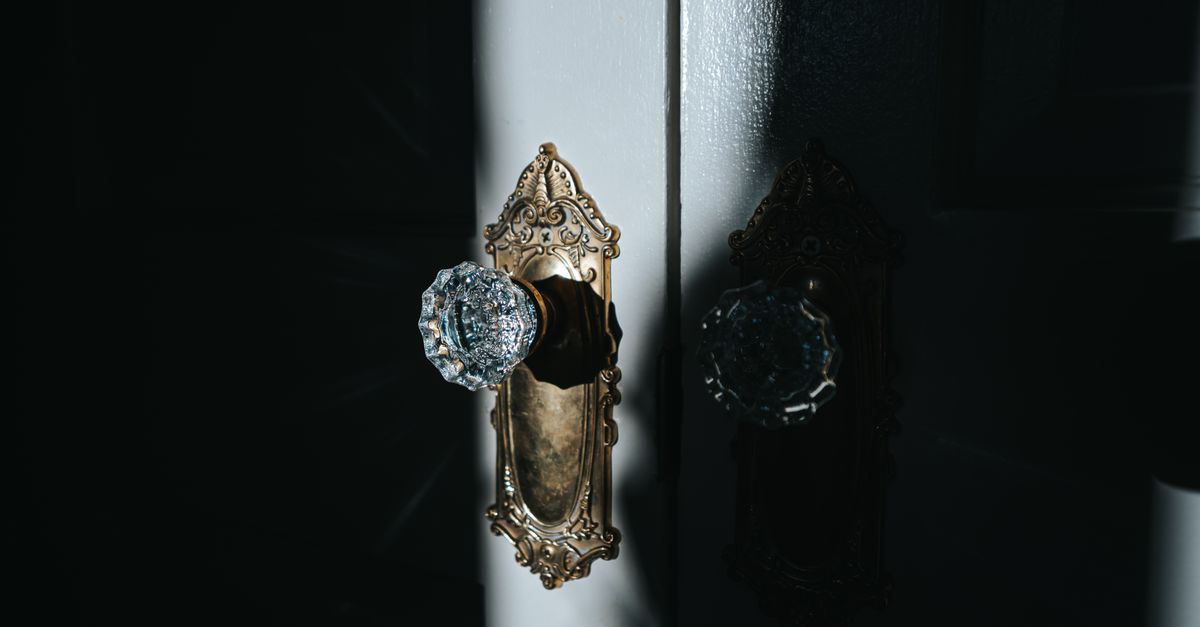
A break-in leaves more behind than a damaged door frame or a missing laptop. It leaves doubt — about whether your home is truly secure, whether the intruder kept a way back in, and whether the locks you've always relied on are actually doing their job. If you're a homeowner in Woodstock, NY, or anywhere in the surrounding Ulster County area, the hours immediately after a break-in are some of the most important ones you'll ever spend on home security. Acting quickly and strategically on your locks can be the difference between putting this behind you and leaving a door — literally — open to further risk.
This guide walks you through exactly what to do with your locks after a break-in: which ones to rekey, which to repair, and which to replace entirely. We'll also explain why certain lock types — including the mortise lock, one of the most robust residential lock options available — may be worth upgrading to as part of your recovery plan. Whether the point of entry was a back door off Tannery Brook Road or a basement window near the village center, the steps are the same. Let's start from the moment the police leave.
## Step One: Secure the Scene Before You Touch Anything
Before you call a locksmith or start assessing damage, make sure law enforcement has finished documenting the scene. Disturbing evidence — including a forced lock or a jimmied door frame — before an officer photographs it can complicate an insurance claim. Once you've been cleared to move around freely, do a methodical walk-through of every entry point: front door, back door, side door, basement entry, attached garage door, and any ground-floor windows with locks. Note which were used as the point of entry, which may have been tested or tampered with, and which appear untouched. This inventory becomes the foundation of your lock recovery plan.
One thing homeowners often overlook: if a door was forced open without breaking the lock itself, the lock body may look fine but the strike plate or door frame is what failed. A deadbolt is only as strong as what it's anchored into. Woodstock's older homes — many of them craftsman bungalows and historic farmhouses with original woodwork — frequently have door frames that haven't been reinforced since they were built. Your locksmith can assess whether the issue is the lock hardware, the frame, or both.
## Rekey, Repair, or Replace? Understanding Your Lock Options After a Break-In
Not every lock on your property needs to be replaced after a break-in, but every lock on your property needs to be evaluated. Here's how to think through the three options. Rekeying is the fastest and most cost-effective response when the lock hardware itself is undamaged and the concern is that a key may have been copied or stolen during the incident. A skilled locksmith reconfigures the internal pins so that old keys no longer work — only the new ones cut to the updated configuration will open the lock. This makes sense for locks that weren't at the point of entry but that use keys the intruder may have accessed.
Repair is appropriate when a lock mechanism has sustained minor damage — a bent latch bolt, a misaligned cylinder, a loose door knob lock — that can be corrected without replacing the entire unit. Full replacement is warranted when the lock body is cracked or crushed, when the door frame damage means the existing footprint no longer works, or when this incident has revealed that the original hardware simply wasn't adequate for the exposure. A mortise lock, for example, is a far more substantial mechanism than a standard cylindrical lock — it sits inside a mortised pocket in the door edge, making it significantly harder to defeat by kicking or prying. If your break-in happened through a door that had only a basic door knob lock and a single deadbolt, a mortise lock upgrade is worth a serious conversation with your locksmith.
## Which Locks to Prioritize — and Why a Mortise Lock Matters Here
Start with the point of entry. Whatever lock was on that door needs to be replaced, full stop — even if it looks okay from the outside. A lock that's been forced, even partially, may have internal damage that isn't visible and can't be trusted going forward. Next, prioritize any other exterior door that shares a key with the compromised entry point. If you were using the same key for your front door and your back door (common with builder-grade hardware), both cylinders need attention. Then move to secondary entry points: the door between your attached garage and your living space is statistically one of the most overlooked and most commonly exploited entry points in residential break-ins.
For homeowners ready to upgrade rather than just restore, this is the right moment to look at mortise lock systems for your primary exterior doors. Unlike a cylindrical lock — where the latch and bolt are contained in a cylinder that fits through a bored hole — a mortise lock is a self-contained unit that requires a pocket to be cut into the door itself. That embedded installation makes it dramatically more resistant to the kind of blunt-force attack most residential break-ins rely on. Brands like Schlage and Kwikset both offer quality mortise lock options, and our team can walk you through which grade and finish suits your door type and aesthetic. If you want to talk through your options now, call us at (845) 622-4829 — we answer around the clock.
## How a Professional Locksmith Assesses and Restores Your Home Security
When an experienced locksmith arrives after a break-in, the job is never just about the one broken lock. A thorough assessment covers the entire perimeter: every exterior door, every lock grade, the condition of strike plates and their mounting screws, and whether existing deadbolts meet current security standards. Our team serving Woodstock and the wider Ulster County area has seen everything from fresh break-ins on Glasco Turnpike to older properties near Byrdcliffe that hadn't had their hardware updated in decades. That field experience means we know what patterns of damage to look for and which solutions actually hold up long-term.
On the practical side, here's what a post-break-in locksmith visit typically covers: replacing or rekeying compromised cylinders, installing heavy-duty strike plates with three-inch screws that reach the door's structural framing, upgrading door knob locks to deadbolt-plus-mortise lock combinations on high-exposure entries, and advising on supplemental security measures like door reinforcement kits or smart lock integration. The factors that shape your final quote include the type and grade of lock hardware selected, how many entry points are being addressed, any parts that need to be ordered for a specific mortise lock configuration, and the time of day the work is performed — our team confirms an exact price up front before any work begins, so there are no surprises when the job is done.
## Acting Fast Matters More Than You Think
There's a documented pattern in residential burglary: properties that have been broken into once are at statistically elevated risk of a repeat incident within the following days. This happens because intruders sometimes return — either because they know the layout, because they left a window unsecured intentionally, or because word travels in opportunistic criminal networks faster than homeowners realize. Waiting even 24 to 48 hours to address your locks after a break-in is a meaningful risk. That's precisely why having access to a 24/7 mobile locksmith in Woodstock matters — you shouldn't have to wait until Monday morning to feel safe in your own home.
Beyond the immediate physical security, acting quickly also helps with the insurance documentation process. Most homeowners' insurance policies require timely mitigation of loss — meaning you're expected to take reasonable steps to prevent further damage or theft after an incident. Having a professional locksmith visit, assess, and repair or replace your compromised hardware creates a clear, timestamped record of those mitigation steps. Keep your receipt and ask for a written summary of the work performed — this documentation can support your claim and demonstrate that you responded responsibly. If you're dealing with this situation right now, don't wait. Call Ulster County Locksmith at (845) 622-4829 — we're available 24/7 and can be on-site in Woodstock and surrounding areas when you need us most.
## Our Full Range of Services for Woodstock Homeowners and Beyond
Ulster County Locksmith is a fully mobile, 24/7 operation serving Woodstock, Kingston, Rhinebeck, Saugerties, and communities throughout Ulster County. Whether you need emergency locksmith response after a break-in or a scheduled security upgrade, here is a representative list of what our team handles: mortise lock installation and repair, deadbolt installation, door knob lock replacement, cylindrical lock rekeying, master key system setup, high-security lock upgrades, smart lock installation and programming, lock-out response for homes and apartments, garage door lock service, sliding door lock repair and replacement, patio door security bar installation, strike plate reinforcement, door frame repair assessment, key duplication, broken key extraction, lock cylinder repair, padlock service, mailbox lock replacement, safe opening and combination changes, commercial door lock installation, commercial locksmith services for small businesses, access control system consultation, apartment building rekeying after tenant turnover, window lock inspection and repair, and security assessments for newly purchased properties. If your specific need isn't listed, call us — our team handles a wide range of lock and security challenges across residential and commercial properties.
Frequently asked questions
What should I do first if I get locked out of my house after a break-in — the door is damaged and my key no longer works?+
If you're locked out of your house because a break-in left your door or lock damaged, the safest course of action is to avoid forcing entry yourself, which can worsen the damage and may compromise your insurance claim. Check whether a trusted neighbor holds a spare key, or whether another door to your home is accessible and undamaged. If not, call a professional locksmith right away. Our team can assess the damage, get you back inside safely, and address the compromised lock in a single visit — no guesswork, no additional damage to your door.
What is a mortise lock, and is it worth upgrading to one after a break-in?+
A mortise lock is a lock mechanism that is installed inside a pocket — called a mortise — cut into the edge of the door itself. Because the lock body is fully embedded in the door rather than mounted through a bored hole, it provides significantly greater resistance to forced entry than a standard cylindrical lock. After a break-in, if your existing hardware was defeated by kicking or prying, a mortise lock upgrade on your primary exterior doors is one of the most effective improvements you can make. Our team can assess whether your current doors are suitable for mortise lock installation and walk you through the options.
How much does it cost to have a locksmith rekey or replace locks after a break-in?+
There is no single flat answer, because the final price depends on several factors: the number of entry points being addressed, the type and grade of lock hardware selected (a basic rekey costs less than a full mortise lock installation), whether any parts need to be sourced for a specific lock model, and the time of day the work is performed. What we can tell you is that our team always confirms an exact, up-front price before any work begins — so you know precisely what you're agreeing to. There are no hidden fees after the job is done.
What do locksmiths usually do when they respond to a post-break-in call?+
When our team responds to a post-break-in call, the visit goes well beyond fixing the obvious damage. A skilled locksmith will inspect every exterior entry point, assess whether locks were defeated by force or by key, evaluate the condition of strike plates and door frames, and recommend a recovery plan that may include rekeying uncompromised locks, repairing minor damage, replacing failed hardware with stronger alternatives like a mortise lock, and reinforcing the door frame where needed. The goal is to leave your home genuinely more secure than it was before the incident — not just patched to the same level of vulnerability.