Ulster County Locksmith Service Team
Local locksmith team
Oct 6, 2026 12 min read
If your front door suddenly refuses to latch — or the deadbolt won't throw far enough to catch — your first instinct might be to blame the lock itself. But in most Woodstock homes, especially the older craftsman cottages and converted farmhouses you'll find tucked along Tinker Street or up in the Catskill foothills, the lock is rarely the real problem. The culprit is almost always something structural: a door that has shifted with the seasons, a strike plate that was never quite right, or a mortise lock whose faceplate has worked loose over decades of use.
This guide will walk you through the most common reasons a door won't latch or lock properly, how to diagnose the difference between a door problem and a lock problem, and exactly when it makes sense to stop troubleshooting and call a professional. Whether you're dealing with a sticky entry door, a sliding door that no longer aligns, or a deadbolt that spins without catching, the answers — and the fixes — are more straightforward than you might expect.
## The Real Reason Your Door Won't Latch (It's Probably Not the Lock)
Wood doors breathe. In Ulster County's humid summers and cold, dry winters, a solid wood door can swell or shrink by a measurable amount — enough to push the latch bolt away from the strike plate by a quarter inch or more. That tiny gap is all it takes to turn a perfectly functional lock into one that feels broken. Before assuming you need a lock installation or a full hardware replacement, look at the strike plate on the door frame. If you can see scratch marks above or below the center hole, the door has shifted and the bolt is hitting the plate at an angle rather than seating cleanly inside it. This is one of the most common service calls we respond to across Woodstock and the surrounding hamlets.
A sagging door hinge compounds the problem. When a hinge pin wears down or the screw holes strip out of an aging wood frame, the door drops — sometimes only a sixteenth of an inch, but enough to throw the mortise lock or cylindrical latch completely out of alignment with its strike. Run your finger along the top corner of the door opposite the hinges. If there's a visible gap there, hinge sag is your answer. Tightening the hinge screws or replacing them with longer screws that bite into the stud behind the frame often resolves the issue entirely, with no need to change door lock hardware at all.
## Diagnosing a Mortise Lock vs. a Structural Door Problem
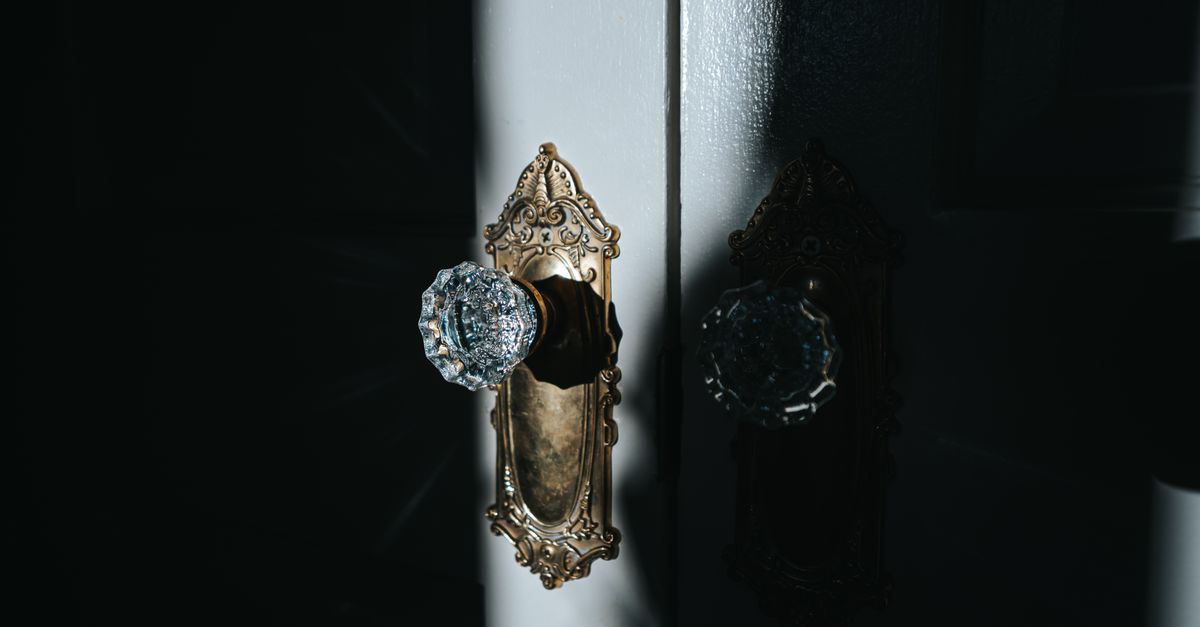
A mortise lock — the rectangular mechanism set into a pocket cut into the door's edge — is the workhorse of older Woodstock homes. Unlike a standard cylindrical door knob lock, a mortise lock integrates the latch, deadbolt, and sometimes even a night latch into a single steel case. They are exceptionally durable, but they do have specific failure points. If the latch bolt retracts when you turn the handle but springs back sluggishly, or if the deadbolt thumb turn feels gritty and stiff, the mechanism inside the mortise case may need lubrication or internal repair. Graphite powder or a dry Teflon spray (never WD-40, which attracts debris) applied into the keyway and latch face often restores smooth operation. If lubrication doesn't help and the bolt still won't engage fully, the mortise lock case itself may need to be rebuilt or replaced — that's a job for an experienced locksmith, not a DIY afternoon project.
To tell the difference between a lock failure and a door alignment issue, try this: with the door open and the frame out of the equation, operate the latch and deadbolt by hand. If both bolts move freely, fully extend, and retract without resistance, your lock mechanism is almost certainly fine. The problem is that the door and frame are no longer lined up well enough for the bolt to reach the strike plate hole. If the bolt is sticky, grinding, or won't extend fully even with the door open, that points to an internal lock problem — and it's time to call a qualified locksmith.
## When Strike Plate Adjustment Isn't Enough: Door Lock Installation and Upgrades
Sometimes a strike plate adjustment solves everything. You loosen the two screws, shift the plate down three millimeters, retighten, and the door latches perfectly. Other times — especially in homes where the door frame itself has racked, or where a previous owner patched a kicked-in door with filler — no amount of plate repositioning is going to give you a secure, smooth-latching door. At that point, the conversation shifts from adjustment to door lock installation or a full hardware upgrade. If your existing hardware is a decades-old mortise lock with a worn cylinder, this is actually an ideal moment to consider whether your current lock is still providing real security, or just the appearance of it.
Homeowners also often discover during this kind of troubleshooting that their sliding door — a common feature in Woodstock homes with back decks overlooking the woods — has its own set of alignment and latch issues. Sliding door lock replacement is frequently needed not because the lock mechanism failed, but because the door panel has dropped on its rollers and the hook bolt no longer reaches the keeper. Adjusting the roller height (there's usually an adjustment screw on the bottom rail) often restores alignment, but if the lock hook itself is bent or the keeper is torn out, sliding door lock replacement is the right call. Our team handles this regularly and can confirm the exact scope — and exact price — before any work begins. If you're unsure whether you're looking at an adjustment or a replacement, call us at (845) 622-4829 and we can talk through what you're seeing.
## Smart Lock Installation, Keypad Codes, and When Modern Hardware Creates New Problems
A growing number of Woodstock homeowners are opting for smart lock installation as part of a renovation or simply as a convenience upgrade. Keypad deadbolts and app-connected locks eliminate the lost-key problem, but they introduce a new category of 'why won't this work' questions. If your keypad lock isn't latching correctly after installation, the most frequent cause is improper door prep — the lock was mounted on a door that is slightly out of square, so the bolt binds against the strike during the throw. Getting the door properly planed or the strike plate correctly positioned before committing to smart lock installation prevents most of these headaches.
Another common call: a keypad lock that won't respond, often because the homeowner needs to know how to change code on keypad door lock models after a tenant moves out or a contractor finishes a job. Each brand handles this differently — Schlage and Kwikset both use button-sequence programming that's covered in the manual — but if the lock has been factory-reset or the programming sequence won't accept input, a locksmith can often resolve the issue on-site without replacing the hardware. Similarly, if you've inherited a keypad lock from a previous owner and need to know how to change code on door lock hardware you didn't install, we can help identify the model and walk you through it or handle it directly. For homeowners considering a full step up to a connected smart lock installation — with remote access, auto-lock schedules, and access logs — we can advise on which platforms work well with Woodstock's spotty cellular coverage in more rural areas, and handle the full door lock installation from prep to programming.
## What Does a Locksmith Actually Do — and When Should You Call One?
Locksmithing is the trade of designing, installing, adjusting, and bypassing lock mechanisms — and it covers far more ground than most people realize. A qualified locksmith isn't just someone who opens locked cars. On a typical day, our team might rekey a mortise lock for a new homeowner on a Woodstock property, perform a sliding door lock replacement on a back deck, handle an emergency locksmith call for someone locked out on Route 212 at midnight, install a new door knob lock on an interior bedroom door, advise a small business owner on commercial locksmith upgrades for their storefront, and program a new smart lock installation on a recently renovated front entry. The work spans residential, commercial, and automotive — and the connective thread is precision with mechanical and electronic security hardware.
When should you call rather than keep troubleshooting? If your door won't latch or lock and you've confirmed the mechanism works freely with the door open, but realigning the strike plate hasn't helped after one attempt — call. If your mortise lock cylinder is spinning freely without engaging the bolt, call. If you've been locked out and have no spare key and no accessible secondary entry point, call. And if you want to change door lock hardware entirely — whether because you've moved in, lost a key, or simply want to upgrade — a locksmith will handle everything from removing the old hardware to ensuring the new installation is correctly fitted, aligned, and secure. For anything that affects your ability to secure your home, professional help is faster, safer, and more reliable than extended trial-and-error. Ulster County Locksmith is available around the clock — call (845) 622-4829 any time, day or night.
## Services We Provide Across the Woodstock Area
Our mobile locksmith team serves Woodstock and the surrounding Ulster County communities with a full range of residential, commercial, and automotive services. Here is a representative list of what we handle on a regular basis: mortise lock repair and replacement, mortise lock cylinder rekeying, residential door lock installation, door knob lock replacement, deadbolt installation and adjustment, smart lock installation and programming, keypad lock code reprogramming, sliding door lock replacement, emergency locksmith response (24/7), car lockout service, automotive key cutting and programming, transponder key replacement, key fob programming, broken key extraction (door and ignition), home lockout service, lock rekeying after a move or lost key, high-security lock upgrades, strike plate reinforcement and replacement, door frame repair assessment, commercial locksmith services for retail and office properties, master key system setup, access control consultation, safe opening and combination changes, window lock installation and repair, and multi-point lock system service for French and patio doors. If your specific situation isn't listed, call us — if it involves a lock, a key, or a door, we almost certainly handle it.
Frequently asked questions
How much does a local locksmith cost, and is there a call-out fee?+
The total cost of a locksmith visit depends on several factors: the type of lock or hardware involved (a standard door knob lock costs less to service than a full mortise lock case), the time of day (overnight and weekend emergency locksmith calls carry a different rate than standard daytime appointments), travel distance to your location, and whether parts — such as a new cylinder, strike plate, or replacement lock — are needed. There is no single flat rate we can quote without knowing the details of your situation. What we do commit to is giving you an exact, confirmed price before any work begins, so there are no surprises on the invoice. Call (845) 622-4829 and describe what you're dealing with — we'll give you a clear quote on the spot.
What is locksmithing, and what does a locksmith actually do?+
Locksmithing is the skilled trade of working with mechanical and electronic locking systems — installing, adjusting, rekeying, repairing, and, under verified circumstances, bypassing them. A trained locksmith understands the internal mechanics of everything from a century-old mortise lock to a current-generation smart lock, as well as automotive locks and ignition systems. In practice, that means our team handles residential lock installation and rekeying, commercial locksmith work for businesses, emergency locksmith response for lockouts, sliding door lock replacement, smart lock installation and programming, key cutting, and automotive services. It's a precision trade that combines mechanical aptitude, security knowledge, and customer service — not just someone who breaks into cars.
My door won't latch but the lock mechanism seems fine — should I call a locksmith or a carpenter?+
This is one of the most common questions we get, and the honest answer is: start with a locksmith. A qualified locksmith can assess both the lock hardware and the door alignment, determine whether the issue is a strike plate that needs repositioning, a hinge that needs attention, or an internal lock problem — and in many cases handle the fix immediately on-site. If the problem turns out to be significant structural door warping or a frame that needs rebuilding, we'll tell you clearly and you can decide whether a carpenter is the right next call. But most latch and alignment issues — including mortise lock adjustments and strike plate corrections — fall squarely within locksmith work and don't require a carpenter visit at all.
How do I change the code on my keypad door lock after a tenant moves out?+
The process varies by brand and model. On most Schlage and Kwikset keypad locks, you'll enter a programming mode using a master code or a physical reset button on the interior side of the lock, then follow a button sequence to delete old user codes and set new ones — your manual will have the exact steps for your model. If you've lost the master code, the lock may need to be factory-reset, which on some models clears all codes including the master and requires reprogramming from scratch. If the lock won't accept input or you're working with hardware left by a previous owner, an experienced locksmith can identify the model, perform the reset, and reprogram the lock on-site. If you're considering this a good moment to upgrade to a full smart lock installation with remote access and user management, we can advise on options that suit your door and your situation.